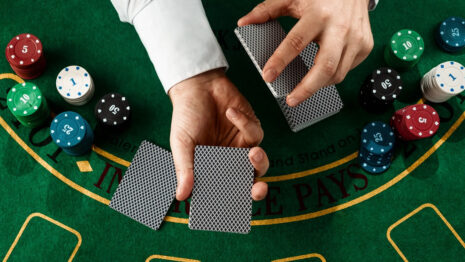
In the quiet moments between rounds at a casino, there exists a subtle pause, a few seconds of stillness that might seem insignificant to an outside observer, yet during this brief interval, the mind is working in ways that are often unseen. Players glance at their chips, take in the sounds of nearby machines, feel the low hum of activity around them, and in this reflective space, the next bet often rises higher than the previous one.
This phenomenon—where bets increase after a pause—is rarely impulsive in the traditional sense. Instead, it is shaped by a delicate interplay of human emotion, expectation, and the natural rhythm of the game. In these pauses, silence is not empty; it becomes a signal, a quiet cue that guides decisions without ever speaking.
The subtle power of the pause comes from its ability to give the mind space to process. Even a brief moment of stillness allows a player to reflect on what has just occurred, consider possibilities, and imagine potential outcomes. In that quiet, anticipation grows, and the next choice can feel more significant than it would during continuous play.
The mind may suggest that a “big move” is necessary, or that the pace of play needs adjustment. The silence acts as a gentle nudge, guiding the player toward a larger bet, while the action itself feels self-directed and voluntary.
During these quiet intervals, perception changes in subtle ways. When players sit back and review the last round, the mind often exaggerates both near wins and losses. What felt like a moderate risk during play suddenly seems too small, or even insufficient, once it is evaluated in the reflective pause.
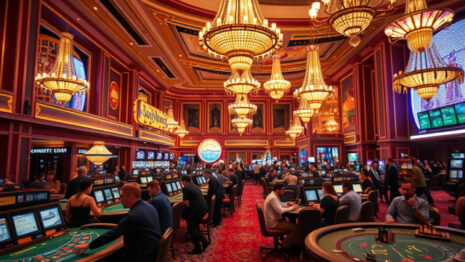
The casino environment itself amplifies this effect: soft lighting, layered music, and the reactions of nearby players subtly heighten emotional intensity. Together, these cues influence the perception of the next bet.
The pause encourages decisions driven more by feeling than by logic. A player might increase their wager not because probabilities have shifted, but because the quiet moment fosters reflection colored by hope, frustration, or anticipation. The mind frames the next bet as a chance to correct a previous outcome or to capture a missed opportunity.
The decision feels natural, even if it is shaped by the psychological space created during the pause. Across many casino floors, this pattern emerges repeatedly: the reflective silence primes the mind to act with increased intensity.
The longer the pause extends, the more the mind fills the space with imagined outcomes. Each potential scenario nudges the player toward a slightly larger wager, and by the time the next round begins, the bet is often higher than before. This process is rarely conscious.
Players rarely articulate, “I am raising my bet because I just paused.” Yet the interplay between reflection and anticipation subtly increases stakes, shaping the rhythm of play in a predictable way.

The effect of the pause goes beyond perception of risk; it also creates emotional momentum. A player who lingers on the sensation of a near win, a small loss, or a streak of neutral outcomes is carrying residual emotion into the next decision.
This emotional carryover can make the next bet feel more consequential, giving it weight and intentionality. The pause transforms mere action into an emotionally charged statement—a way to re-engage with the energy of the casino floor.
The casino environment magnifies this momentum. Tables, machines, and screens are designed to maintain attention without overtly demanding it, using subtle cues to sustain engagement. Pauses highlight these cues, making the mind more receptive to risk-taking.
Lights, soft jingles, and nearby reactions are all noticed unconsciously during quiet moments. In this way, the increase in bets after a pause is not only a personal choice but also a response to a carefully orchestrated interplay of attention, emotion, and environment.
As this cycle repeats across multiple rounds, it solidifies into a recognizable rhythm: pause, reflect, build emotion, increase bet. To the player, the pattern feels natural, almost invisible. Yet the underlying mechanics—human psychology combined with environmental cues—create a quiet, consistent influence on behavior.
Beyond emotion and reflection, the physical and sensory environment of the casino reinforces this behavior. The placement of chips, the glow of lights, and the celebratory sounds that accompany wins are all signals that shape attention and expectation.
During a pause, these cues become more salient. A player may subconsciously register the visual prominence of their stack, the flicker of a machine announcing a win, or the cheers of others. This sensory input quietly encourages an increase in the next wager.
Reinforcement occurs through repeated experience rather than direct instruction. Each time a player raises a bet after a pause and experiences a result—whether a win, a loss, or a near-miss—the behavior is subtly validated. The mind links anticipation with action, and the pattern strengthens.
Over time, this forms a habit: silent reflection followed by a larger bet becomes a predictable, repeatable rhythm. The pause, far from being neutral, becomes a structured opportunity for the mind to engage with risk, subtly guided by environment and design.

The pattern of increasing bets after silence highlights a fundamental aspect of human behavior: the mind’s use of quiet moments to process, rehearse, and prepare. In the pause, players construct mental narratives of possible outcomes.
They imagine sequences of wins or losses, consider alternative strategies, and weigh hypothetical gains or recoveries. This cognitive rehearsal primes the player to act with greater intensity, often unconsciously.
Because these anticipatory processes are emotionally charged, they carry momentum into the next bet. The player perceives the increase as logical or necessary, even when the driver is primarily internal reflection amplified by environmental cues. The silence itself, in effect, becomes a tool for the mind, shaping behavior without explicit instruction.
Understanding this pattern can transform the experience of play. When a player becomes aware that silence itself influences decision-making, each pause can be approached with mindfulness.
Rather than automatically raising a bet, a player can recognize the emotional and cognitive processes at work. Awareness does not diminish the excitement of play; it simply introduces clarity. The silent moments no longer act as unconscious triggers but as opportunities for reflection and considered choice.
Through awareness, players gain a deeper understanding of how anticipation, reflection, and environmental design interact to shape decisions. They can choose to follow the automatic rhythm, pause deliberately, or adjust their stakes with intention.
In this way, insight into the quiet influence of silence becomes a tool for thoughtful engagement, allowing the player to navigate the dynamic casino environment with clarity and balance.
The pattern of increasing bets after silence demonstrates the subtle yet profound ways in which small pauses shape human behavior in casinos. Even a brief moment of quiet can influence perception of risk, build emotional momentum, and guide action in ways that feel natural but are profoundly shaped by both the mind and the environment.
Through sensory cues, reflection, and repetition, silence becomes a quiet orchestrator of behavior, guiding decisions without ever imposing them.
When players recognize this pattern, they gain the ability to approach each pause with awareness, transforming unconscious reactions into considered choices.
The quiet moments between rounds, once unnoticed, become opportunities for reflection, clarity, and intentional engagement—revealing the hidden structure of play beneath the surface of seeming spontaneity.