
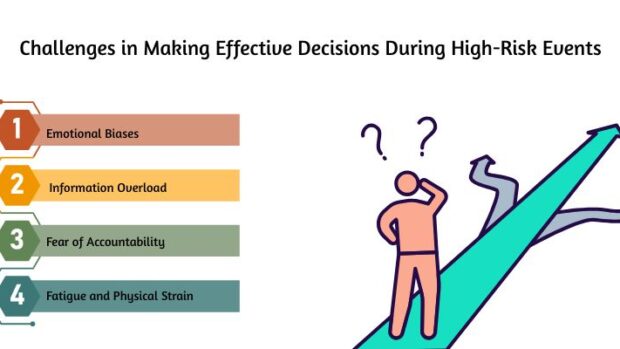
Risk is not judged through numbers alone. People also consider their emotions, expectations, recent experiences, and the time available to make a decision. When choices happen quickly, there may be less opportunity to examine the information carefully.
In casino gameplay, rapid rounds and immediate results can create a sense of urgency. A player may need to decide whether to continue, change a stake, or stop playing within a short period. Under these conditions, the decision can become more reactive than reflective.
A deliberate decision allows someone to compare possible outcomes, consider financial consequences, and question their assumptions. A rushed decision may rely more heavily on instinct or familiar behavior.
For example, a player who has just lost a round might immediately place another wager because they want to recover the loss. With little time to pause, the desire to reverse the previous result may overshadow the actual financial risk.
This response is not universal. Some people remain cautious under pressure, while others become more impulsive. The surrounding circumstances and the individual’s experience can influence how the decision unfolds.
Time pressure can interact with emotional states. Excitement may make an uncertain outcome feel more appealing, while frustration may increase the urge to act quickly. Anxiety can have the opposite effect, causing a person to avoid decisions or become overly cautious.
Recent outcomes can also influence expectations. After several wins, someone might feel unusually confident. Following a series of losses, they might believe a win is overdue. Neither feeling changes the underlying odds of an independent random event.
Recognizing these mental shortcuts is important because a strong feeling of confidence does not necessarily reflect a more favorable probability.
One practical way to reduce rushed decision-making is to establish boundaries before gameplay begins. A person can set a fixed spending limit, decide how long they intend to play, and determine the circumstances in which they will stop.
Taking a pause before changing a stake or continuing after a loss can also provide time to reassess the situation. The purpose is not to predict the next result, but to separate an emotional reaction from a considered choice.
People can also reduce unnecessary pressure by avoiding gameplay when tired, distressed, or distracted.
Quick decisions can feel exciting, but speed does not make an uncertain outcome more predictable. In games governed by random outcomes, making a decision faster does not create a mathematical advantage.
Understanding the relationship between time pressure, emotion, and risk can help people approach gambling decisions more consciously. Sometimes, the most useful response to urgency is simply to slow down.


[…] Awareness is a useful first step in managing emotional reactions. Players can ask themselves whether they are evaluating the situation using actual information or relying mainly on excitement, frustration, or recent results. […]